Enhancing Material Transit Driver Safety
Investigating the Advantages of Opting for Bulk Freight Transport for Your Shipping Needs
Bulk haulage presents a strategic option for companies looking to make their logistics more efficient. Through shipment consolidation, firms may secure significant cost savings and decrease their ecological impact. Furthermore, this approach provides greater dependability and versatility in transport timetables - Illinois top rated Bulk Trucking. Given the evolution of transport operations develop, knowing the details of bulk freight transport is necessary for maintaining a competitive edge. What other advantages might this approach reveal for today's organizations?
Financial Benefits from Economies of Scale
Despite many firms are dealing with increasing shipping expenses, bulk trucking offers significant cost savings through large-scale operations. By consolidating shipments, organizations minimize the individual item shipping expense, as more substantial loads permit more efficient use of resources such as workers and gasoline. This optimization leads to lower overall expenses, thereby positioning bulk haulage as an attractive option for businesses looking to optimize their logistics.
Moreover, this method decreases the number of necessary journeys, which helps lower expenses even more associated with fleet servicing and labor costs. Firms may obtain more favorable fees with carriers when committing to larger volumes, allowing them to gain from decreased transport costs. In turn, businesses can allocate their savings towards different parts of the business, boosting their competitiveness. In conclusion, bulk haulage's cost benefits position it as a smart decision for companies seeking to increase profitability while ensuring effective transport management.
Minimizing Environmental Harm
Bulk trucking greatly contributes to a smaller environmental toll, establishing it as a sustainable solution for moving goods. By consolidating shipments, this approach lowers the frequency of travel to deliver goods, which subsequently lowers fuel consumption and greenhouse gas emissions. This efficient method of transporting large quantities of materials means less trucks are needed for transport, easing road blockage and wear on infrastructure.
Moreover, many bulk trucking companies are adopting more sustainable practices, such as using trucks that save gas and optimizing routing to reduce their environmental impact even more. Implementing sophisticated tools in transport management helps in checking carbon output and improving total effectiveness. Given that corporations are emphasizing sustainability more, choosing bulk transport doesn't just support green efforts but also meets CSR objectives. In this way, bulk hauling offers a viable option for firms aiming to minimize their environmental damage while still fulfilling their shipping requirements.
Better Transit Times and Trustworthiness

When businesses opt for bulk transport for moving their goods, they usually benefit from better transit times and improved consistency. This mode of transportation is designed to efficiently handle large quantities of goods, cutting down on the necessary journeys. Through combining loads, businesses can reduce holdups related to staging and destaging, which translates to accelerated shipping.
Furthermore, bulk hauling generally makes fewer pauses, which streamlines the delivery process. Numerous bulk haulers employ cutting-edge tracking and logistics tools, offering live status reports which boosts openness and dependability. This level of visibility helps businesses plan more effectively, confirming timely product arrival.
Furthermore, bulk hauling's consistency is supported by skilled drivers and regularly maintained equipment, minimizing the chance of mechanical failures or holdups. Consequently, companies can depend on bulk trucking services to reliably hit their transit targets, ultimately improving customer satisfaction and strengthening commercial ties.
Increased Hauling Volume and Adaptability
While numerous transport choices limit the size of the load, bulk shipping delivers increased cargo capacity that allows companies to transport substantial quantities of goods in a single haul. This feature is especially advantageous for sectors needing to move high quantities of materials, like construction, agriculture, and mining. Using specialized detailed article trucks built for bulk goods, firms can improve their delivery methods, reducing the number of trips needed to deliver goods.
In addition, bulk trucking provides flexibility in load configuration, handling different kinds of materials, including liquids, grains, and powders. This flexibility helps firms adjust to evolving needs and manage their supply chain effectively without sacrificing volume. By leveraging the enhanced load capacity and flexibility of bulk trucking, companies can optimize their processes, lower transport expenditures and secure a more consistent delivery method. Finally, this option presents a practical solution for firms aiming to maximize delivery efficiency and meet customer expectations.
Efficient Supply Chain Operation
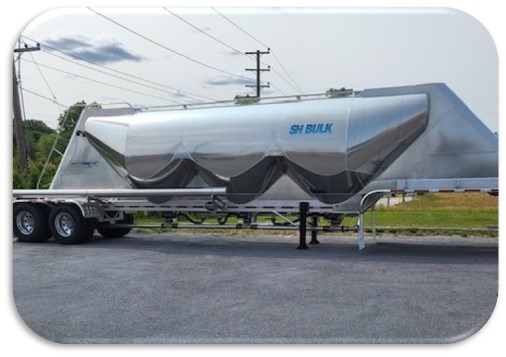
Efficient supply chain management becomes increasingly achievable with the addition of bulk trucking into the operational framework. By grouping deliveries, businesses can cut down on transit expenditure and improve delivery times. Large-scale transport facilitates the movement of greater volumes of cargo in less journeys, lessening the difficulty involved in numerous deliveries. This effectiveness allows for improved stock control, as companies can get and send out goods with greater speed.
Additionally, bulk trucking enhances communication and collaboration among logistics collaborators. With less transporters utilized, tracking shipments becomes simpler, which provides greater clarity and quicker response times to any issues that may arise. The trustworthiness of bulk trucking also makes certain that goods arrive at their destinations in prime condition, reducing the likelihood of transit issues. In conclusion, integrating bulk trucking into SCM frameworks fosters a more cohesive and effective operational structure, helping companies and the consumers as well.
Common Queries
What Types of Goods Are Best Suited for Large-Scale Hauling?
Mass transport is perfect for transporting large quantities of goods such as crops, building supplies, chemicals, and perishable goods. These goods profit from efficient, cost-effective shipping methods, reducing handling and lowering total shipping expenditure.
What Is the Process for Finding a Dependable Transport Company?

To find a dependable mass transporter, one should research online reviews, solicit advice from other businesses, evaluate certifications, and compare quotes - Illinois top rated Bulk Trucking. Moreover, assessing the company’s history and truck capacity is necessary for informed decision-making
What Is the Average Transit Time for Large Cargo Loads?
The average transit time for bulk shipments typically ranges from 24 to 72 hours, based on the mileage, traffic situations, and the nature of the freight. Changes in these elements can greatly impact delivery timelines.
Are There Weight Restrictions for Mass Transport Shipments?
Absolutely, bulk trucking loads must adhere to maximum weights, which differ by region and truck model. Illinois top rated Bulk Trucking. Regulations guarantee security and regulatory conformity, often limiting loads to roughly 80K pounds for standard trucks on interstates
Is Bulk Transport Manage Perishable Goods?
Absolutely, bulk trucking is able to handle temperature-sensitive shipments through the use of specific gear, including reefer units. This feature makes certain that perishable goods maintain their required temperatures during transit, safeguarding quality and freshness.