Implementing Logistics Networks Sustainable Ops
A Guide to Bulk Trucking: Essential Services for Efficient Cargo Movement
Bulk transport is a crucial component in the supply chain management of moving large volumes of goods. It covers multiple industries, ensuring that materials are moved promptly and cost-effectively. By employing specific transporters, this service minimizes the risks associated with handling and enhances delivery speed. However, the landscape of bulk trucking is evolving. Understanding its nuances can provide insights into its growing significance in modern supply chains. Which elements lead to its efficiency?
Defining Bulk Trucking?
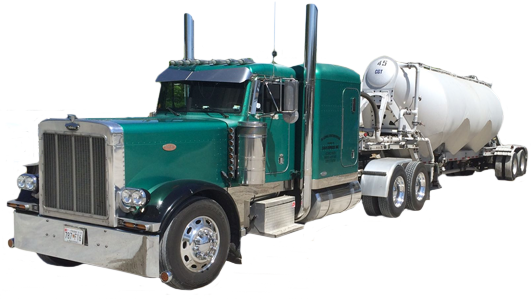
Bulk hauling means the transportation of large quantities of goods, most often as liquids or dry materials, using specialized vehicles. This method is essential for businesses that need the transfer of substantial loads, such as agribusiness, chemical processing, and infrastructure. Specialized bulk vehicles, such as tankers for fluids and hoppers for granular goods, are built to effectively handle and haul these bulk materials.
The logistics of bulk trucking involve careful planning and coordination, ensuring that the right vehicle is applied linked article to particular goods to prevent contamination and damage. Moreover, standards controlling bulk hauling require adherence to safety standards, particularly for hazardous materials.
Bulk trucking plays a significant role in the supply chain, aiding the quick movement of essential goods as it minimizes spending related to transport. By employing this technique, businesses can streamline their operations, ensuring a steady flow of materials needed for output and additional operations.
Major Advantages of Bulk Transport
While many transportation methods exist, bulk trucking offers distinct advantages that can greatly enhance operational efficiency for multiple businesses. A key upside is cost efficiency; bulk trucking frequently decreases individual shipping expenses thanks to the power to haul large volumes simultaneously. This efficiency translates into lower overall transportation expenses, making it an attractive option for businesses.
Furthermore, bulk transport offers adaptability in timing and pathfinding, letting businesses respond swiftly to evolving needs. The ability to move various kinds of cargo, ranging from raw materials to finished products, further broadens its appeal.
Furthermore, bulk trucking can accelerate transit times, as optimized processes and direct routes minimize transit times. Improved load management also means less manual handling, reducing the chance of damage during transport. Overall, these key benefits position bulk trucking as an indispensable logistics solution for industries demanding reliability and efficiency in their supply chains.
Bulk Cargo Types
Various industries rely on bulk trucking to carry many different types of cargo. A key category includes farm produce, such as grains, fertilizers, and animal feed. These goods are typically transported in large quantities, meaning specialized bulk trucks are needed designed for quick and easy loading and unloading.
Additionally, construction materials including sand, gravel, and cement are commonly moved using bulk trucking services. This cargo is vital for various construction projects and demand on-time delivery to keep projects on schedule.
Chemical substances, such as liquid and dry chemicals, also represent a major segment of bulk cargo. These substances demand prudent handling and compliance with safety regulations while being moved.
Moreover, food products, like sugar and flour, are transported in bulk to satisfy manufacturing and distribution needs. In conclusion, the diversity of bulk cargo types demonstrates the flexibility and value of bulk trucking in helping various parts of the economy.
How Technology Affects Bulk Trucking
How has technology transformed the bulk trucking industry? Incorporating advanced technologies has boosted operational efficiency and safety within the bulk trucking industry. GPS tracking allows for monitoring cargo and vehicle locations in real-time, which helps ensure timely deliveries and improved route planning. Moreover, telematics has proven to be a crucial tool, providing critical data on vehicle performance, fuel consumption, and driver behavior, contributing to cost savings and reduced environmental impact
(Illinois top rated Bulk Trucking)In addition, automated systems for inventory management streamline loading and unloading processes, minimizing delays and maximizing productivity. Communication technologies are also crucial, joining drivers, logistics supervisors, and customers seamlessly. The ability to connect fosters transparency and improves client support through offering precise information regarding the status of the shipment. Since the industry keeps changing, these tech innovations will further reshape bulk trucking, driving innovation and enhancing the quality of service in a highly competitive space
Selecting the Appropriate Bulk Hauling Provider
Choosing the right bulk transport provider is essential for companies aiming to optimize their logistics operations. Companies should begin by reviewing their particular material demands, comprising the nature of the materials moved and the quantity. Examining the transport company's background in handling similar shipments can shed light on their capacity.
In addition, companies must examine the provider's area of operation, ensuring that the trucking company can promptly get to the planned endpoints. A second key consideration is the provider's safety record and compliance with industry regulations, which can greatly impact overall service reliability.
Pricing is also an important factor; however, businesses should weigh pricing compared to the quality of the work to avoid compromising on essential elements. Finally, customer support and how they communicate are essential in preserving openness during the entire delivery operation. Through meticulous review of these points, companies can select a bulk trucking service that matches their business requirements and objectives.
Q&A Section
What Are the Typical Costs When Using Bulk Hauling Providers?
The usual costs involved in bulk hauling involve gasoline charges, driver wages, upkeep charges, policy costs, and tolls. Furthermore, pricing can fluctuate according to the length of the journey, the kind of freight, and sector needs, impacting overall pricing structures.
How Do I Prepare My Cargo for Bulk Trucking?

To ready your load for bulk transport, ensure adequate wrapping, secure load stability, check the maximum allowed weight, and clearly tag the contents. Moreover, look for potential harm and follow safety regulations to facilitate efficient transportation and arrival.
Which Safety Rules Govern to Bulk Trucking?
Safety regulations for bulk trucking mandate adhering to weight limits, ensuring cargo is properly secured, compliance with hazardous materials guidelines, routine truck maintenance checks, and driver training requirements to facilitate safe transit and minimize accident risks. - Illinois top rated Bulk Trucking
- Illinois top rated Bulk Trucking
How Do Bulk Haulers Address Transportation Delays?
Bulk trucking companies handle setbacks by providing upfront client communication, adjusting schedules, and diverting shipments if required. They also make use of technology to track deliveries, guaranteeing current status reports and lessening disturbances in the logistics network.
Is Bulk Haulage Suitable for Cross-Border Transport?
Bulk trucking is capable of handling international shipments by working alongside specialized freight forwarders and using purpose-built vehicles. These companies verify conformity with foreign laws, allowing for easy transit across borders for various bulk commodities while maintaining efficiency and safety.