Mastering Industrial Loads Optimization
Bulk Trucking Explained: Crucial Services for Streamlined Cargo Delivery
Bulk trucking serves as a key factor in the logistics of transporting massive quantities of freight. It spans numerous sectors, ensuring that materials are moved promptly and with maximum cost efficiency. By employing specific transporters, this service minimizes the risks related to manipulation and enhances delivery speed. Yet, the domain of bulk trucking is evolving. Knowing its intricacies can provide insights into its increasing importance in today's logistics networks. What components result to its effectiveness?
Defining Bulk Trucking?
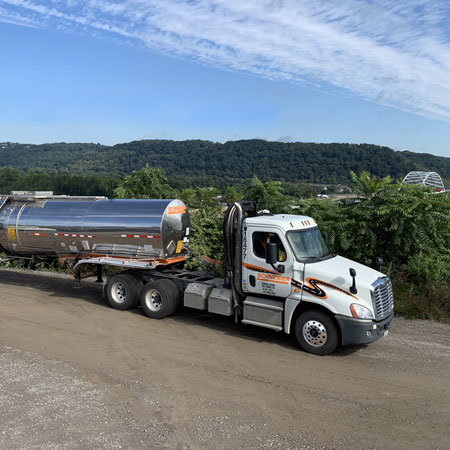
Bulk transport involves the hauling of massive amounts of goods, most often as liquids or dry materials, using specialized vehicles. This method is essential for businesses needing the transportation of substantial loads, such as agribusiness, chemical processing, and infrastructure. Specialized bulk vehicles, including tankers for liquids and hoppers for granular goods, are engineered to optimally control and move these bulk goods.
The coordination of bulk hauling require meticulous organization and coordination, guaranteeing the correct transporter is utilized for distinct cargo to minimize impurity and breakage. Moreover, standards controlling bulk hauling require adherence to safety standards, specifically regarding risky substances.
Bulk transport is a key factor in the supply chain, aiding the quick movement of essential goods and simultaneously reducing expenses linked to hauling. By using this method, businesses can streamline their operations, guaranteeing a constant supply of materials required for manufacturing and additional operations.
Key Benefits of Bulk Trucking
Although various transport options are available, bulk trucking offers distinct advantages that can substantially boost operational performance for multiple businesses. One significant benefit is cost-effectiveness; bulk trucking typically lowers the cost per unit shipped due to the ability to transport big loads concurrently. This efficiency means decreased aggregate transport spending, rendering it a desirable choice for businesses.
Moreover, bulk hauling delivers versatility in timing and pathfinding, allowing companies to adapt quickly to evolving needs. The capacity to transport diverse cargo types, ranging from raw materials to finished products, expands its utility.
Moreover, bulk trucking can accelerate transit times, as streamlined operations and direct routes minimize transit times. Improved load management also leads to reduced handling, reducing the chance of damage during transport. Taken together, these key benefits establish bulk trucking as an essential logistics solution for industries looking for reliability and efficiency in their supply chains.
What Bulk Cargo Is Transported
Various industries rely on bulk trucking to transport a wide range of cargo types. One of the most common categories includes farm commodities, such as grains, fertilizers, and animal feed. These goods are typically transported in large quantities, necessitating specialized bulk trucks designed for efficient loading and unloading.
In addition, construction materials including sand, gravel, and cement are often transported using bulk trucking services. These materials are essential for various construction projects and demand on-time delivery to keep projects on schedule.
Chemical products, like both liquid and dry chemicals, also constitute a significant portion of bulk cargo. This cargo requires careful handling and compliance with safety regulations in transit.
In addition, food products, such as sugar and flour, are transported in bulk to meet the demands of manufacturing and distribution. Overall, the diversity of bulk cargo types demonstrates the flexibility and value of bulk trucking in aiding diverse economic sectors.
Technology's Impact on Bulk Trucking
In what ways has technology changed the landscape of bulk trucking? The use of advanced technology has boosted operational efficiency and safety within the bulk trucking industry. GPS systems permit real-time monitoring of cargo and vehicle locations, facilitating timely deliveries and improved route planning. Additionally, telematics has proven to be a crucial tool, offering key data regarding vehicle performance, fuel consumption, and driver behavior, contributing to cost savings and reduced environmental impact
(Illinois top rated Bulk Trucking)In addition, automated systems for inventory management make loading and unloading processes more efficient, reducing delays and increasing productivity. Tech innovations in communication also play a significant role, connecting drivers, fleet supervisors, and clients without interruption. Such interconnectedness encourages clarity and boosts service quality through offering precise information on the delivery progress. Since the industry keeps changing, such technological progress will further reshape bulk trucking, fostering new ideas practical guide and improving service quality in a highly competitive space
Choosing the Right Bulk Trucking Service
Selecting the appropriate bulk trucking service is crucial for firms seeking to streamline their supply chain. Companies should begin by assessing their unique freight needs, such as the kind of goods being hauled and the volume. Reviewing the trucking provider's experience in dealing with like deliveries can shed light on their competence.
Moreover, firms need to evaluate the geographic coverage of the service, making sure the copyright can promptly get to the planned endpoints. A further critical element involves the company's safety performance and adherence to sector rules, that heavily affects the dependability of the service.
Cost is also a key consideration; however, firms need to measure the price compared to the quality of the work to prevent giving up on important factors. Lastly, client assistance and communication practices are critically important in preserving openness throughout the shipping process. By thoroughly examining these factors, firms may pick a bulk hauling partner which fits their functional demands and goals.
Popular Questions and Answers

How Much Does It Usually Cost For Bulk Transport Services?
Typical costs associated with bulk trucking services involve gasoline charges, driver wages, repair costs, coverage, and tolls. In addition, fees might change based on distance, the kind of freight, and sector needs, affecting the total cost models.
What is the Best Way to Ready My Freight for Bulk Haulage?
In order to prepare freight for bulk hauling, ensure adequate wrapping, secure load stability, confirm weight restrictions, and label contents clearly. Additionally, inspect for any damage and comply with safety standards to facilitate efficient transportation and drop-off.
What Safety Regulations Apply in Bulk Transport?
Safety regulations for bulk trucking mandate observing weight restrictions, adequate load securement, following hazmat protocols, regular vehicle inspections, and driver training requirements to ensure secure transport and minimize accident risks. - Illinois top rated Bulk Trucking
- Illinois top rated Bulk Trucking
How Do Bulk Haulers Address Transportation Delays?
Bulk trucking companies manage delays by notifying customers in advance, modifying timelines, and changing routes when necessary. They also make use of technology to monitor shipments, ensuring timely updates and minimizing disruptions to the supply chain.
Is Bulk Haulage Suitable for Cross-Border Transport?
Yes, bulk trucking can accommodate international shipping by partnering with logistics providers and using purpose-built vehicles. These companies ensure adherence to global standards, allowing for easy transit across borders for various bulk commodities all while prioritizing safety and speed.