Navigating Material Flow Best Practices
Uncovering the Upsides of Using Bulk Haulage for Your Shipping Needs
Bulk trucking provides a smart solution for organizations striving to make their logistics more efficient. By grouping deliveries, organizations can obtain substantial reductions in cost and reduce their environmental footprint. In addition, this approach provides improved reliability and adaptability in delivery schedules - Illinois top rated Bulk Trucking. Given the evolution of logistics management changes, grasping the specifics of bulk trucking is necessary for keeping an advantage. What further benefits might this approach reveal for modern businesses?
Lowering Costs Using Economies of Scale
Although many businesses are dealing with increasing shipping expenses, this method delivers substantial financial benefits through economies of scale. By consolidating shipments, businesses are able to lower the per-unit cost of transportation, as greater volumes enable optimized resource deployment such as fuel and labor. This efficiency translates to decreased operational spending, thereby positioning bulk haulage as an attractive option for companies seeking to streamline their supply chain.
Furthermore, bulk transport reduces the number of necessary journeys, which results in additional cost reduction associated with upkeep of trucks and staff salaries. Companies can negotiate better rates with haulers when promising greater quantities, helping them realize lower delivery charges. As a result, firms may dedicate their cost reductions towards other functions, improving their market position. In conclusion, the economic advantages of bulk trucking position it as a smart decision for businesses striving for better financial results while maintaining efficient supply chain operations.
Lowering the Ecological Footprint
Bulk transport significantly helps achieve a smaller environmental toll, making it an eco-friendly choice for transportation. Through the grouping of loads, this approach lowers the frequency of travel to ship items, which thereby reduces gasoline usage and harmful emissions. The streamlined approach to transporting large quantities of materials allows for fewer vehicles on the road, easing road blockage and strain on public works.
Furthermore, a lot of haulage firms are adopting more sustainable practices, such as utilizing fuel-efficient vehicles and optimizing routing to lower their emissions substantially. Employing modern technology in transport management helps in monitoring emissions and enhancing overall efficiency. With businesses increasingly prioritizing environmental responsibility, selecting bulk hauling doesn't just support green efforts but also aligns with corporate social responsibility goals. Therefore, bulk transport acts as an effective answer for companies seeking to lessen their environmental impact while still fulfilling their shipping requirements.
Better Transit Times and Trustworthiness
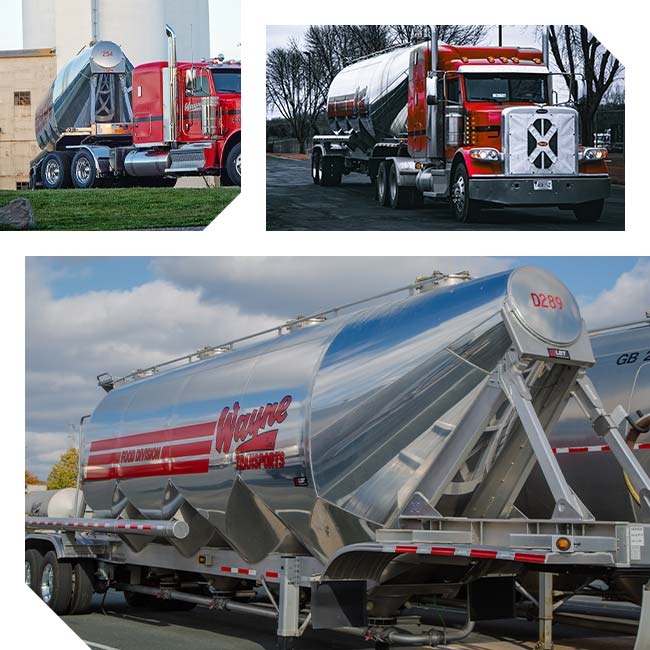
When companies choose bulk trucking for their shipping requirements, they usually benefit from better transit times and enhanced reliability. This transport option is engineered to efficiently move large amounts of cargo, reducing the number of trips required. By consolidating shipments, firms can lessen delays linked to pickup and drop-off, resulting in quicker delivery speeds.
What's more, bulk trucking typically involves fewer stops, thereby optimizing the transit procedure. A lot of bulk transport firms use modern logistics and tracking systems, giving instant information that increases visibility and oversight. Having this visibility enables companies to plan efficiently, guaranteeing that items reach their destination on time.
Moreover, bulk hauling's consistency is supported by skilled drivers and regularly maintained equipment, minimizing the chance of mechanical failures or holdups. In turn, businesses can rely on bulk transport providers to reliably hit their transit targets, thereby enhancing customer contentment and strengthening commercial ties.
Greater Cargo Capacity and Versatility
While many transportation options have limitations on load size, bulk transport provides greater hauling volume enabling businesses to move large amounts of products in a single haul. This capability is particularly beneficial for sectors needing to move high quantities of materials, like construction, agriculture, and mining. Employing vehicles tailored for bulk cargo, firms can improve their delivery methods, reducing the number of trips needed to deliver goods.
Furthermore, bulk trucking provides flexibility in load configuration, accommodating various types of products, such as powders, grains, and liquids. This versatility allows companies to adapt to changing demands and manage their supply chain effectively without compromising on capacity. By leveraging the enhanced load capacity and flexibility of bulk trucking, firms can simplify their workflows, reduce shipping expenses and ensure a more dependable shipping procedure. In conclusion, this method provides an effective solution for businesses looking to optimize transport effectiveness and fulfill customer requirements.
Streamlined Supply Chain Management
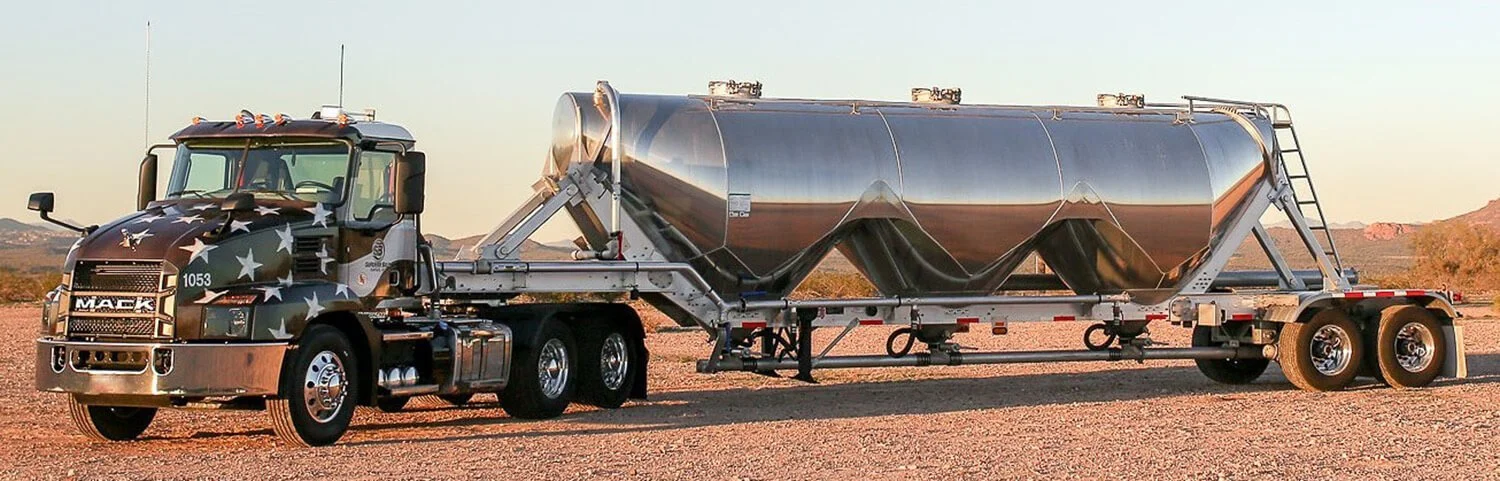
Better SCM processes is easier to achieve with the incorporation of large-scale transport into transport processes. By consolidating shipments, businesses can lower shipping expenses and speed up delivery. Large-scale transport facilitates the movement of more products in less journeys, lessening the difficulty discover more involved in numerous deliveries. This effectiveness makes possible better inventory management, as companies can receive and distribute products with greater speed.
Furthermore, bulk trucking improves coordination and collaboration among supply chain partners. With less transporters utilized, shipment visibility is streamlined, which provides greater clarity and quicker response times to emerging difficulties. The reliability of bulk trucking also makes certain that goods arrive at their destinations in excellent shape, decreasing the chance of damage or hold-ups. In conclusion, incorporating mass transport into SCM frameworks promotes a more integrated and streamlined transport system, helping companies and their clientele equally.
Questions and Answers
Which Products Are Ideal for Mass Transport?
Large-scale hauling is best for moving significant amounts of product such as agricultural products, building supplies, chemicals, and food items. These goods profit from efficient, cost-effective shipping methods, cutting down on manual processing and minimizing overall transportation costs.
How Do I Find a Dependable Transport Company?
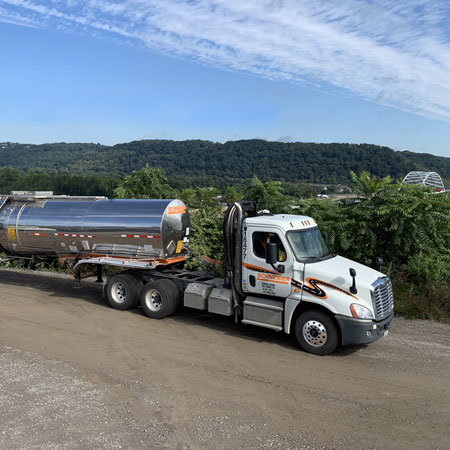
To find a reliable bulk trucking provider, one should research online reviews, solicit advice from other businesses, check necessary permits, and get multiple bids - Illinois top rated Bulk Trucking. Additionally, checking the hauler's background and fleet capability is necessary for selecting wisely
What Is the Average Transit Time for Bulk Shipments?
The standard shipping duration for bulk shipments usually falls between 24 to 72 hours, depending on distance, road quality, and the nature of the freight. Variability in these factors can affect delivery schedules considerably.
Are There Weight Restrictions for Bulk Trucking Loads?
Absolutely, bulk trucking loads typically have weight restrictions, which differ by region and vehicle type. Illinois top rated Bulk Trucking. Rules ensure security and regulatory conformity, usually capping loads to approximately 80K pounds for standard trucks on major roads
Can Bulk Trucking Accommodate Perishable Goods?
Certainly, bulk trucking can accommodate goods requiring climate control by utilizing dedicated machinery, including reefer units. This feature ensures that temperature-dependent items maintain their necessary climate throughout the journey, protecting quality and freshness.