Scaling Logistics Flow Profit Margins
Bulk Trucking Explained: Crucial Services for Efficient Cargo Movement
Bulk trucking serves as a key factor in the supply chain management of moving large volumes of goods. It spans numerous sectors, ensuring that materials are transported effectively and cost-effectively. By using dedicated trucks, this service lessens the dangers associated with handling and boosts delivery swiftness. Nevertheless, the environment of bulk trucking is undergoing transformation. Understanding its nuances can shed light on its rising relevance in contemporary distribution systems. What factors contribute to its effectiveness?
What Is Bulk Trucking?
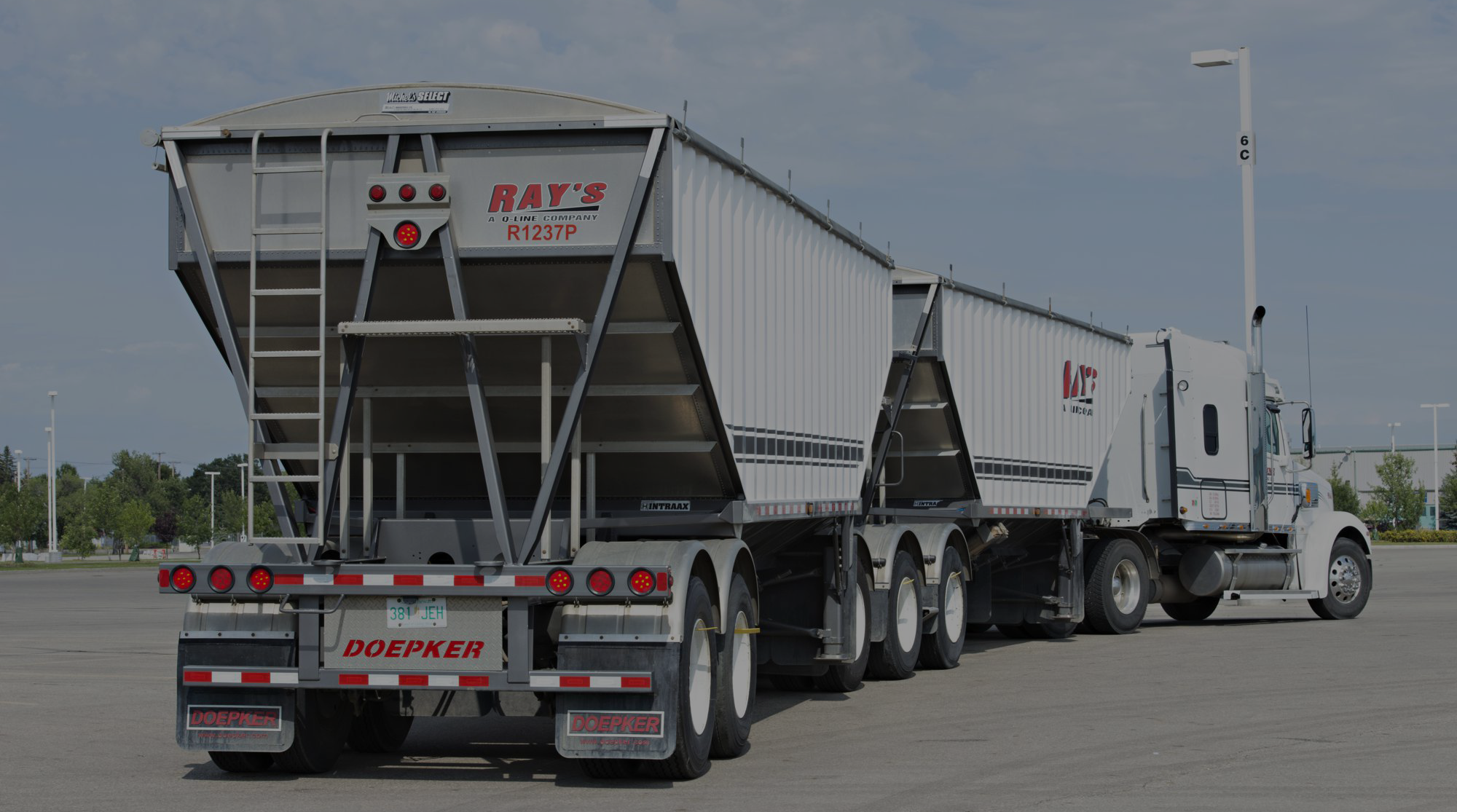
Bulk trucking refers to the movement of substantial volumes of goods, most often as liquids or dry materials, employing dedicated trucks. This method is crucial for industries requiring the movement of heavy freight, such as agribusiness, chemical processing, and infrastructure. Bulk haulers, including tankers for liquids and dry material hopper trucks, are designed to efficiently manage and haul these bulk materials.
The logistics of bulk trucking involve careful planning and coordination, guaranteeing the correct transporter is utilized for distinct cargo to prevent contamination and damage. Furthermore, regulations governing bulk transport mandate compliance with safety criteria, especially concerning dangerous goods.
Bulk trucking plays a significant role in the supply chain, enabling the prompt transfer of necessary supplies and simultaneously reducing expenses associated with transportation. By using this method, businesses can optimize their processes, ensuring a steady flow of materials required for manufacturing and review article other processes.
Major Advantages of Bulk Transport
Despite the existence of numerous hauling techniques, bulk trucking offers distinct advantages that can significantly improve workflow effectiveness for multiple businesses. One significant benefit is cost-effectiveness; bulk trucking often reduces per-unit shipping costs due to the ability to transport big loads concurrently. This efficiency results in reduced total hauling costs, establishing it as a compelling alternative for businesses.
Moreover, bulk hauling delivers versatility in timing and pathfinding, enabling firms to adjust rapidly to changing demands. The potential to transport diverse cargo types, ranging from raw materials to finished products, makes it even more appealing.
Furthermore, bulk trucking can accelerate transit times, as efficient operations and direct routes cut down on travel time. Enhanced load management also results in less handling, lowering the risk of harm in transit. In summary, these key benefits position bulk trucking as an indispensable logistics solution for industries seeking reliability and efficiency in their supply chains.
Types of Bulk Cargo Transported
A wide range of industries utilize bulk trucking to transport a wide range of cargo types. A key category includes farm commodities, including grains, fertilizers, and animal feed. These goods are typically transported in high volumes, meaning specialized bulk trucks are needed designed for quick and easy loading and unloading.
Additionally, construction materials such as sand, gravel, and cement are often transported using bulk trucking services. These materials are essential for various construction projects and require timely delivery to maintain project schedules.
Chemical products, such as liquid and dry chemicals, also make up a large part of bulk cargo. This cargo requires meticulous handling and adherence with safety regulations in transit.
Moreover, food products, like sugar and flour, are transported in bulk to meet the demands of manufacturing and distribution. Overall, the diversity of bulk cargo types showcases the versatility and importance of bulk trucking in supporting various economic sectors.
Technology in Bulk Trucking
How has technology revolutionized the bulk trucking industry? The integration of advanced technologies has significantly improved efficiency and safety within the bulk trucking industry. GPS tracking systems enable live tracking of cargo and vehicles, which helps ensure timely deliveries and improved route planning. Furthermore, telematics has become a vital tool, providing critical data on vehicle performance, fuel consumption, and driver behavior, which ultimately results in cost savings and reduced environmental impact
(Illinois top rated Bulk Trucking)In addition, automated systems for inventory management make loading and unloading processes more efficient, cutting down on delays and boosting productivity. Digital communication tools also hold a key position, joining drivers, fleet managers, and customers smoothly. Such interconnectedness promotes openness and boosts service quality by giving reliable status reports regarding the status of the shipment. As the industry continues to evolve, these tech innovations are set to redefine bulk transport, fostering new ideas and enhancing the quality of service within a cutthroat environment
Choosing the Right Bulk Trucking Service
Picking the ideal bulk hauling company is essential for companies seeking to streamline their supply chain. Businesses must start by evaluating their specific cargo requirements, comprising the nature of the materials moved and the sheer amount. Examining the transport company's background with managing comparable loads can shed light on their competence.
In addition, companies must examine the geographic coverage of the service, making sure the copyright can promptly get to the planned endpoints. A second key consideration is the provider's safety record and following of regulatory standards, which significantly influences overall service reliability.
Pricing is also an important factor; however, businesses should weigh pricing compared to the quality of the work to avoid compromising on essential elements. In conclusion, customer service and methods of communication are critically important in maintaining transparency from start to finish of the transport. By carefully analyzing these aspects, companies can select a bulk trucking service that matches their business requirements and goals.
Frequently Asked Questions
What Expenses Are Usually Involved When Using Bulk Hauling Providers?
Typical costs associated with bulk trucking services involve gasoline charges, labor costs, maintenance fees, policy costs, and highway charges. In addition, fees might change depending on the mileage, cargo type, and market demand, impacting overall pricing structures.
How Do I Prepare My Cargo for Bulk Trucking?

To prepare cargo for bulk trucking, ensure adequate wrapping, secure load stability, verify weight limits, and label contents clearly. Moreover, look for potential harm and follow safety regulations to facilitate efficient transportation and delivery.
What Safety Regulations Apply in Bulk Transport?
Safety regulations for bulk trucking mandate observing weight restrictions, ensuring cargo is properly secured, compliance with hazardous materials guidelines, regular vehicle inspections, and driver training requirements to guarantee safe transportation and minimize accident risks. - Illinois top rated Bulk Trucking
- Illinois top rated Bulk Trucking
What Measures Do Bulk Carriers Take for Delays?
Bulk trucking companies handle setbacks by providing upfront client communication, modifying timelines, and changing routes when necessary. They also make use of technology to keep tabs on loads, ensuring timely updates and reducing supply chain interruptions.
Is Bulk Haulage Suitable for Cross-Border Transport?
Certainly, bulk transport supports global shipping by partnering with logistics providers and utilizing specialized equipment. These companies guarantee compliance with international regulations, facilitating seamless cross-border transport for various bulk commodities while upholding security and effectiveness.